Sewage & Contaminated Water Cleanup in San Francisco, CA
A sewage backup is a biohazard, not just a mess. We extract the contaminated water, remove what can't be saved, disinfect what can, and dry it out — in full protective gear, contained so it doesn't spread through your home.
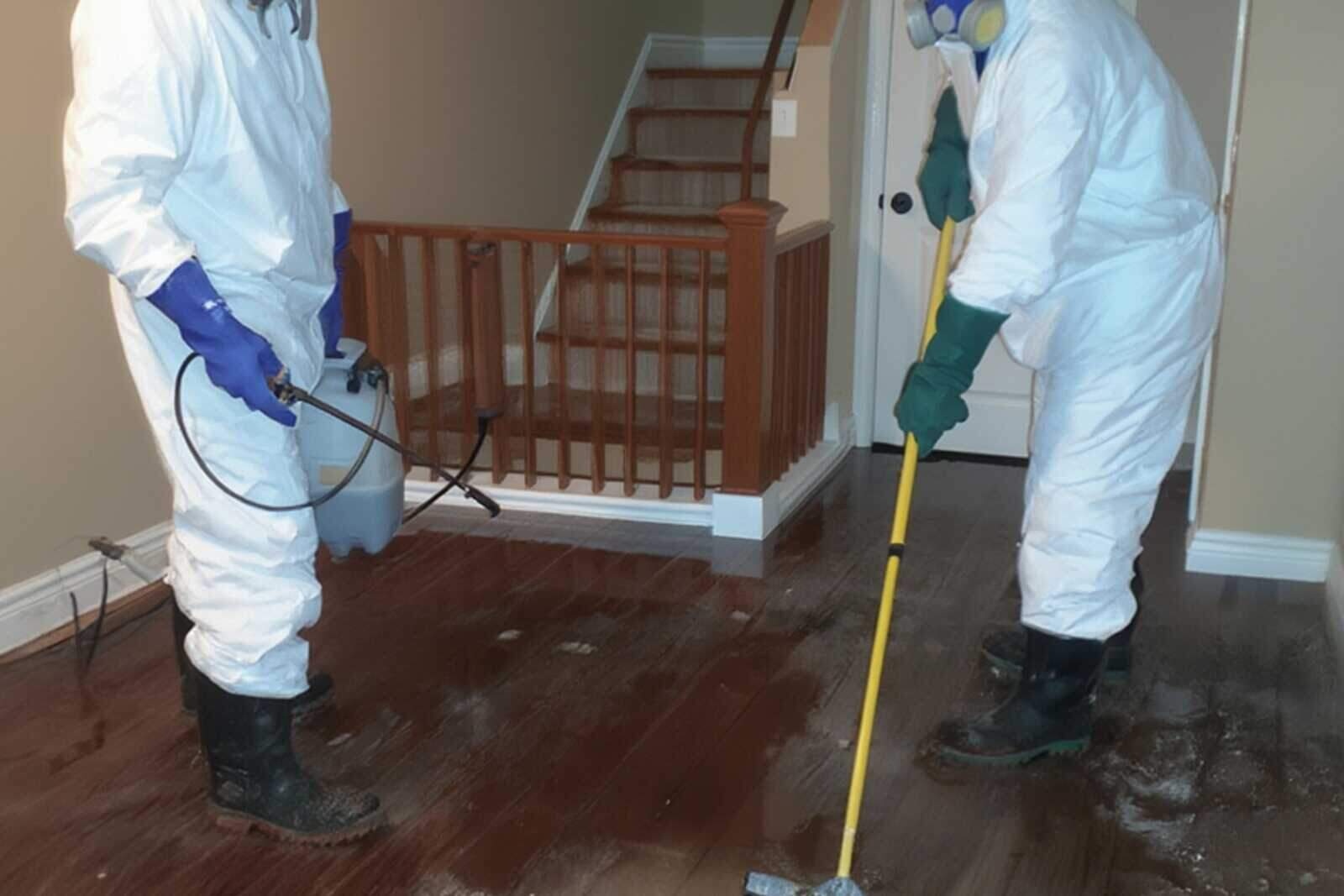
A sewage backup is Category 3 "black water" — the most contaminated water loss there is. We remove it safely, disinfect everything it touched with EPA-registered antimicrobials, and dry the structure, so your home is clean and safe to live in, not just dry.
Why sewage backups are a health hazard
Sewage isn't dirty water — it's a biohazard that carries live pathogens. A backup brings E. coli, salmonella, hepatitis A, rotavirus, and parasites into the home, and the danger isn't only direct contact: the aerosols a backup kicks up can be inhaled, and porous materials wick the contamination outward by the hour. The risk runs highest for children, older adults, and anyone immunocompromised. This is why a mop, a shop-vac, and household bleach are the wrong tools — they spread the contamination and leave pathogens soaked into materials that look clean. Keep people and pets out of the affected area, don't handle contaminated items, and let a crew in proper PPE remove and disinfect it.
Category 3 ("black water") explained
Restoration grades water by how contaminated it is, and that grade decides what can be saved. Category 1 is clean water from a supply line. Category 2 ("gray water") carries some contamination — a washing-machine discharge or a dishwasher overflow. Category 3 ("black water") is grossly contaminated and can cause serious illness: sewage backups, toilet overflows past the trap, and any drain backup that brings sewer water into the home. The grade matters because porous materials that soak up Category 3 water — carpet, pad, drywall, insulation — can't be reliably disinfected in place and have to come out. Non-porous and semi-porous surfaces like tile, sealed concrete, and structural framing can usually be cleaned, treated, and dried rather than removed.
What our sewage cleanup includes
One San Francisco crew in full PPE, working the loss from extraction to disinfection — not a quick mop-and-wipe:
- Containment & full PPE — respirators, suits, gloves, and boots behind a contained barrier so the contamination doesn't spread through the home.
- Contaminated-water extraction — truck-mounted and portable extractors pull the standing sewage from the lowest, wettest areas outward.
- Removal & hospital-grade disinfection — saturated carpet, pad, and drywall come out; every salvageable surface gets EPA-registered antimicrobials, with odor treated at the source.
- Drying, verification & claim documentation — air movers and dehumidifiers bring the structure to dry, confirmed on a meter and photographed for your insurance claim.
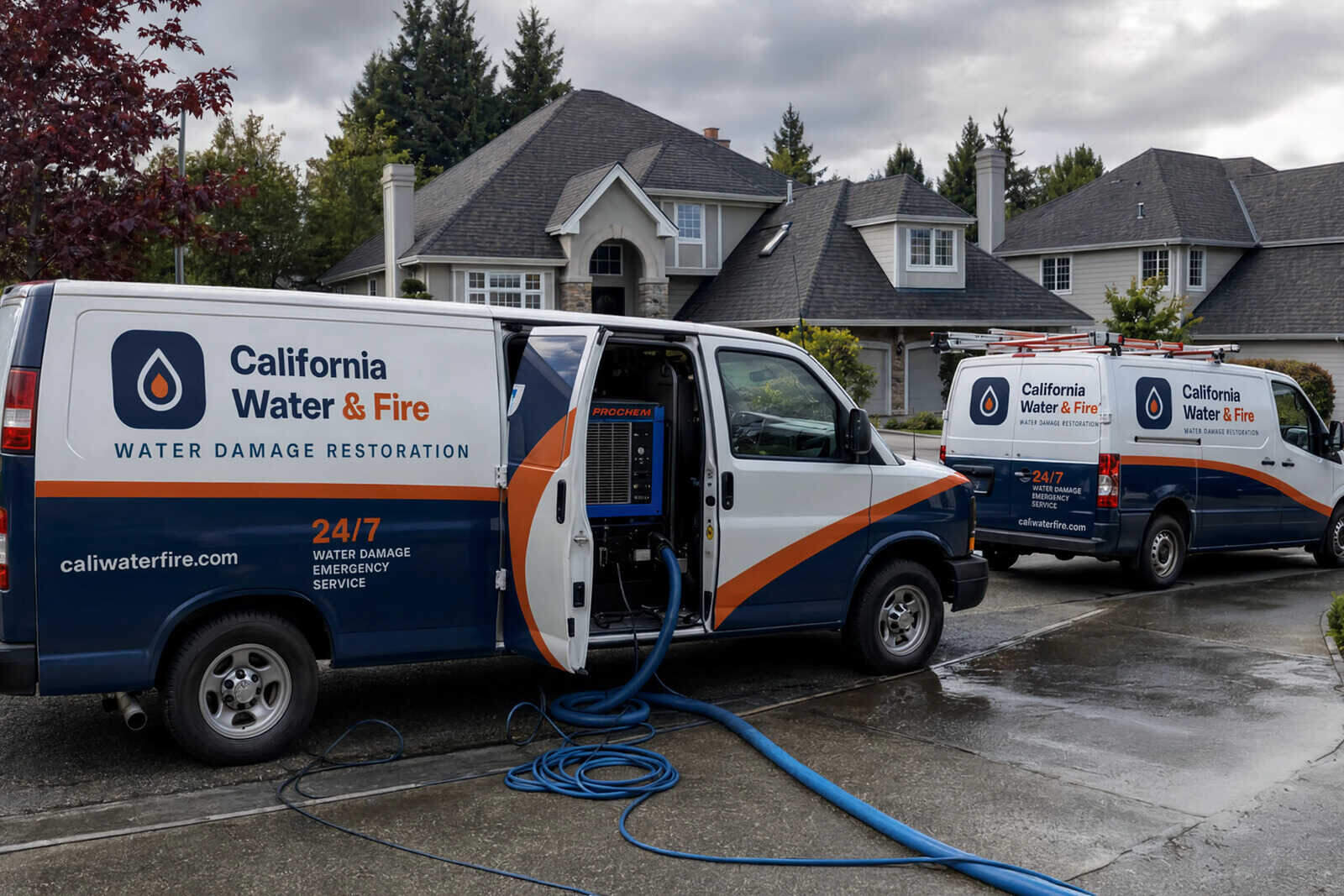
Our sewage cleanup & sanitizing process
- Contain the area & suit up
We set containment to stop the spread, suit the crew in full PPE, and shut off the source if it's still flowing.
- Extract the contaminated water
Truck-mounted and portable extractors pull the standing sewage out fast, working from the lowest, wettest areas outward.
- Remove & disinfect
Unsalvageable carpet, pad, and drywall are cut out and bagged; every surface left behind is scrubbed and treated with EPA-registered, hospital-grade antimicrobials.
- Dry, verify & document
Air movers and dehumidifiers bring the structure to dry, we confirm with moisture meters, and we write the loss up for your claim.
Restoring affected areas after a sewage backup
In San Francisco, the backup almost always lands on the lowest level — and that's where we focus restoration. Aging sewer laterals run under many of the city's older homes, and the same low-lying ground-floor rooms, garages, and in-law units that flood from upstairs leaks are where a drain or sewer line backs up first, especially in the flatter parts of the Mission and Bayview during heavy winter rain on the combined sewer system. Once the contaminated water and unsalvageable materials are out and every surface is disinfected, we dry the slab, framing, and any salvageable finishes to a meter reading and confirm the structure reads dry before anything gets closed back up. We document the loss throughout and work directly with your insurer, so what gets rebuilt goes back over a clean, dry, verified structure — not sewage sealed inside a wall.
Why professional Category 3 cleanup beats a DIY mop-up
- Sewage carries E. coli, salmonella, hepatitis A, and parasites — contact or the aerosols it kicks up can cause serious illness, so this isn't a job for a household mop.
- Porous materials wick the contamination outward by the hour, and the cool, damp air in San Francisco's low ground-floor rooms lets bacteria and mold multiply fast — a corner backup can become a whole-room problem in a day.
- "Looks clean" isn't disinfected — porous materials that soaked up sewage can't be sanitized in place, and only proper removal plus EPA-registered treatment makes the space safe.
Frequently asked questions
Is a sewage backup dangerous to my family?
Yes. Sewage is Category 3 "black water" — it carries bacteria, viruses, and parasites that can cause serious illness through contact or by breathing the aerosols it gives off. Keep people and pets out of the affected area, don't touch contaminated materials, and let a crew in proper PPE handle the cleanup. The risk is highest for kids, older adults, and anyone immunocompromised.
Can affected carpet and drywall be saved after a sewage backup?
Usually not. Porous materials that absorbed sewage — carpet, pad, drywall, and insulation — can't be reliably disinfected in place, so they're removed and replaced. Non-porous and semi-porous surfaces like tile, sealed concrete, and structural framing can typically be cleaned, disinfected, and dried rather than torn out. We make that call material by material, on the side of your family's safety.
How do you sanitize after a sewage backup?
After the contaminated water is extracted and the unsalvageable porous materials are removed and bagged, every surface that stays gets scrubbed and treated with EPA-registered, hospital-grade antimicrobials, and odor is treated at the source rather than masked. We then dry the structure with air movers and dehumidifiers and confirm it reads dry on a moisture meter before anything is closed up — disinfecting a surface that's still wet just invites mold back, so the sanitizing and the drying are one process, not two.
Why do sewage backups happen in older San Francisco homes?
Two reasons we see again and again. First, aging sewer laterals — the line running from the house to the city main — crack, sag, or fill with root intrusion in homes that are decades old, so a clog backs sewage up into the lowest drain. Second, San Francisco runs a combined sewer system, so during a heavy winter rain the volume can overwhelm the lines and push water back up through ground-floor and basement drains in the flatter parts of the city. Either way the backup lands on the lowest level first, which is exactly where we contain, extract, and disinfect.
Sewage backing up right now?
Category 3 water carries bacteria and viruses, and it spreads with every minute it sits. Keep your family clear of the area — a Bay Area crew answers 24/7 and arrives in protective gear ready to contain and remove it.
Call (650) 642-7300Licensed, insured & trained to industry standards


Sewage backup? Don't touch it — call us
Category 3 water is a biohazard that spreads by the hour. Keep your family clear of the area, tell us what's happening, and a Bay Area crew will arrive in protective gear ready to contain and clean it.
Call (650) 642-7300