Mold Removal & Remediation in San Francisco, CA
When a leak sat too long and mold took hold, we contain the area, remove the affected material, and fix the moisture that fed it — so it doesn't grow back. IICRC-standard work, documented for your claim.
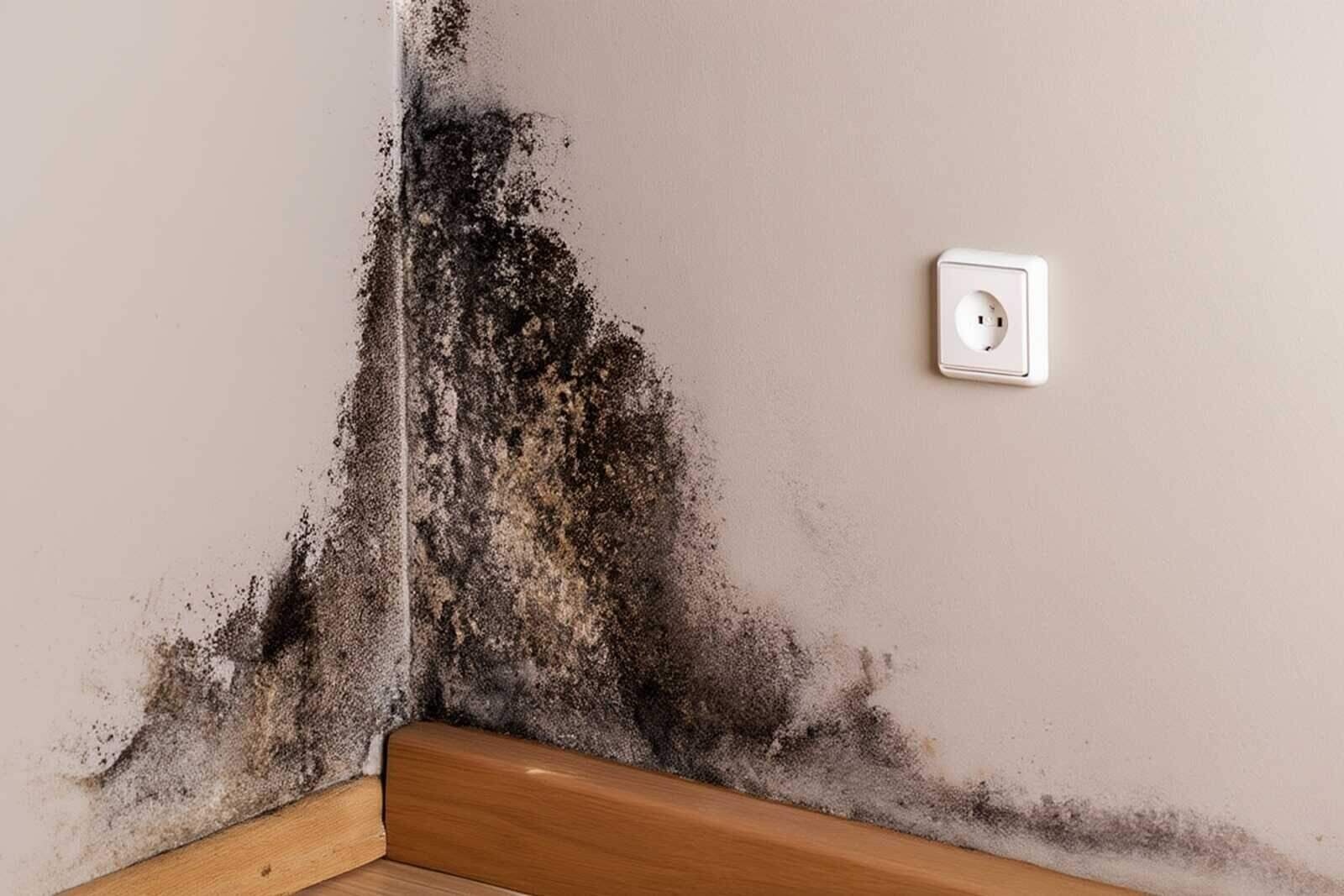
Scrubbing a stain off the wall doesn't fix mold — it spreads it. We contain the area so spores stay put, remove the material that's already colonized, and dry out the moisture that started it, so the mold has nothing left to grow on. A Bay Area crew can inspect, contain, and start removal the same visit.
Why San Francisco's humidity accelerates mold growth
San Francisco sits in marine air most of the year. The fog rolls in off the Pacific, the temperature barely swings, and indoor surfaces stay cool and damp — exactly the conditions mold likes. A leak that might dry on its own in a dry climate keeps feeding growth here, because the ambient humidity never gives the materials a chance to release the water. We see it most in the Sunset and the Richmond District, where the fog sits longest and north-facing rooms rarely get direct sun. Add the building stock — Edwardian flats with lath-and-plaster walls that hold moisture, and ground-floor in-law units that sit low and breathe poorly — and a small leak becomes a mold problem in days rather than weeks. That's why we don't just remove what's visible; we lower the moisture in the structure to a point where mold can't restart, and confirm it on a meter.
When water damage leads to mold
Mold doesn't appear out of nowhere — it follows water that wasn't fully dried. A burst supply line behind a kitchen wall, an overflowing dishwasher, a slow drip from an upstairs bathroom, a roof leak during the rainy season: any of these can leave moisture in the framing and cavity long after the surface looks dry. In San Francisco's marine air, that trapped moisture has growth started within a day or two. The link is direct enough that the fix has to address both: we handle the water removal and extraction that pulls the water out, then the structural drying that gets the materials genuinely dry, because mold that's only removed will come back if the moisture that fed it is still there.
What our mold removal includes
One Bay Area crew that finds the moisture, removes the mold, and fixes the cause — not a paint-over:
- Inspection & moisture tracing — meters and a look behind the wall map the real footprint, since the colony usually runs past the stain you can see.
- Sealed containment with negative air — plastic sheeting and HEPA-filtered negative pressure keep spores in the work area instead of drifting into clean rooms.
- Removal of colonized material — affected plaster, drywall, insulation, and trim come out and get bagged; salvageable surfaces are HEPA-vacuumed and cleaned.
- The moisture fix & claim documentation — we dry the structure to the meter and log the affected areas and readings, so mold can't regrow and your insurer has a record.
Mold inspection & testing
Every job starts with finding the real extent of the growth, not the part you can see. We trace the moisture with penetrating and non-penetrating meters and look inside the cavity where the colony usually runs, because the visible spot is often the smaller share. Testing is a separate question, and we're honest about when it's worth it: if you can see and smell mold, it has to come out whether or not a lab names the species, so testing first only adds cost. We recommend a lab test when the type of growth is genuinely in question, when a buyer or insurer requires one, or as a clearance check to confirm an area is clean after we've finished. When testing helps your situation, we'll say so; when it doesn't, we'll tell you that too.
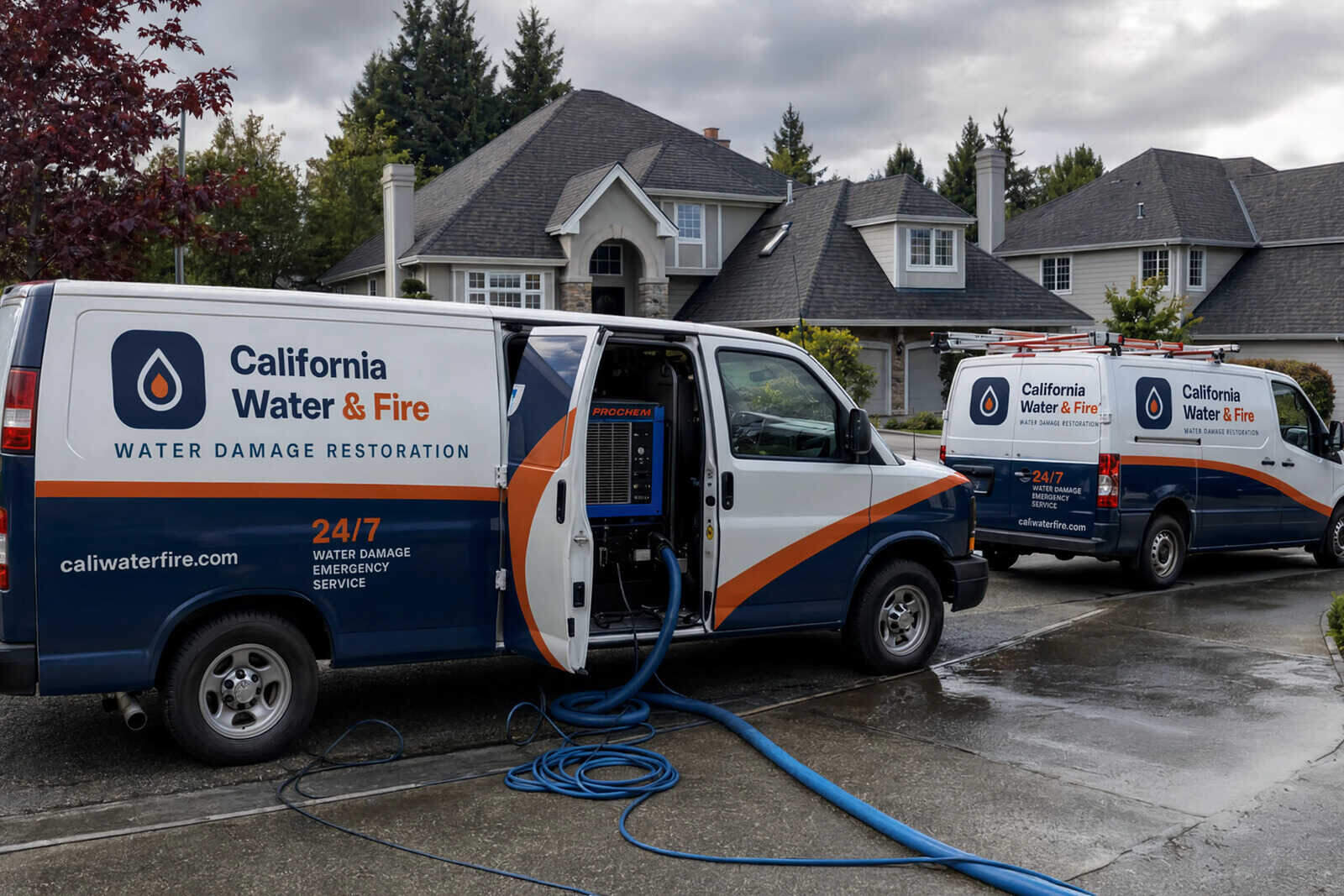
Our mold containment & removal process
- Inspect & find the moisture source
We map the growth with moisture meters and track down what's keeping the area wet — fixing the leak is part of the job, not a separate call.
- Build containment
We seal off the work area with plastic sheeting and run negative air pressure through HEPA filtration so spores stay contained instead of drifting into clean rooms.
- Remove & dry down
Colonized plaster, drywall, insulation, and trim come out and get bagged, then the framing and cavities dry with air movers and dehumidifiers until the meter confirms they're genuinely dry.
- Clear, document & rebuild
We HEPA-clean the area, document the work for your claim, and put back the drywall, paint, and trim so you're not left with an open wall.
Black mold: risks and safe removal
"Black mold" is the name people reach for when a colony looks dark and they're worried about their health, and the worry is reasonable — heavy mold exposure can bring on congestion, coughing, headaches, and irritated eyes or skin, and it tends to be harder on anyone with asthma, allergies, or a weakened immune system. For questions about your own symptoms, ask your doctor; we're not in a position to give medical advice. What we can promise is that the removal is the same careful process whatever the color of the growth. We seal off the area, run negative air through HEPA filtration, wear respirators and protective suits, and avoid disturbing the colony in a way that scatters spores. That containment is the whole point: it's what keeps a one-room problem from becoming a whole-house problem when the dry spores get kicked into the air.
Preventing mold after water damage in San Francisco
The best mold remediation is the leak that gets dried out completely before mold ever starts. When you call us for a fresh water loss, we treat drying as the prevention step — we pull the water, measure the materials, and run dehumidifiers until the framing and cavities read dry, not just until the surface feels dry. In a marine climate that ambient humidity works against you, so we dry to the meter and check the spots that hold water longest: the base of lath-and-plaster walls, under the kick of kitchen cabinets, and the floor of a ground-floor in-law unit. Get the structure genuinely dry inside the first day or two and there's usually nothing for mold to grow on. Let it sit, and you're paying to remove growth instead of preventing it — which is exactly why we'd rather get there fast.
Frequently asked questions
How soon does mold grow after water damage in San Francisco's climate?
Mold can begin growing on wet materials within about 24 to 48 hours, and San Francisco's cool, fog-damp marine air sits at the fast end of that range. The ambient humidity rarely lets wet materials release their water on their own, so a leak that's left alone keeps feeding growth. That's why drying a loss out completely in the first day or two usually prevents mold entirely — and why a leak that sat for a week almost always means there's some growth to deal with.
Do you test for mold before removal?
Not always, and we'll tell you honestly when it's worth it. If you can see and smell mold, it needs to come out whether or not a lab confirms the species — so testing first would just add cost without changing the work. Testing makes sense when the type of growth is in question, when a buyer or insurer requires it, or to confirm an area is clean after remediation. We'll recommend it when it actually helps your situation.
Is black mold dangerous, and how is it removed safely?
Heavy mold exposure can cause congestion, coughing, headaches, and irritated eyes or skin, and it tends to be harder on anyone with asthma, allergies, or a weakened immune system — for questions about your own health, ask your doctor. Removal is the same careful process whatever the color: we seal off the area, run negative air through HEPA filtration, wear respirators and protective suits, and avoid disturbing the growth in a way that scatters spores. That containment is what keeps the problem in one room instead of spreading it through the house.
Does San Francisco's humidity make mold removal harder?
It makes the drying harder, which is the part that decides whether mold comes back. Removing the colonized material is the same anywhere; the challenge in a marine climate is getting the structure dry enough that mold can't restart, because the damp air keeps re-wetting the materials. We handle it by running low-grain refrigerant dehumidifiers that pull moisture out of the air faster than the fog can put it back, and by drying to a meter reading instead of to how a wall feels. That's the difference between a remediation that holds and one that's musty again by the next foggy week.
Smell something musty or see dark spots?
In San Francisco's cool, fog-damp air, mold spreads through plaster and drywall faster than most people expect. The longer it grows, the more material comes out — call now and a Bay Area crew can inspect, contain, and start removal.
Call (650) 642-7300Licensed, insured & trained to industry standards


Stop the mold before it spreads further
Mold only grows while the moisture's still there. Tell us what you're seeing and smelling, and a Bay Area crew will inspect, contain, and start removal.
Call (650) 642-7300