Carpet Water Damage Repair in San Francisco, CA
We extract the water, dry the carpet and pad, and sanitize what's salvageable — and we tell you straight when a carpet can be saved and when it can't. Weighted extraction, subfloor moisture readings, and a plan documented for your claim.
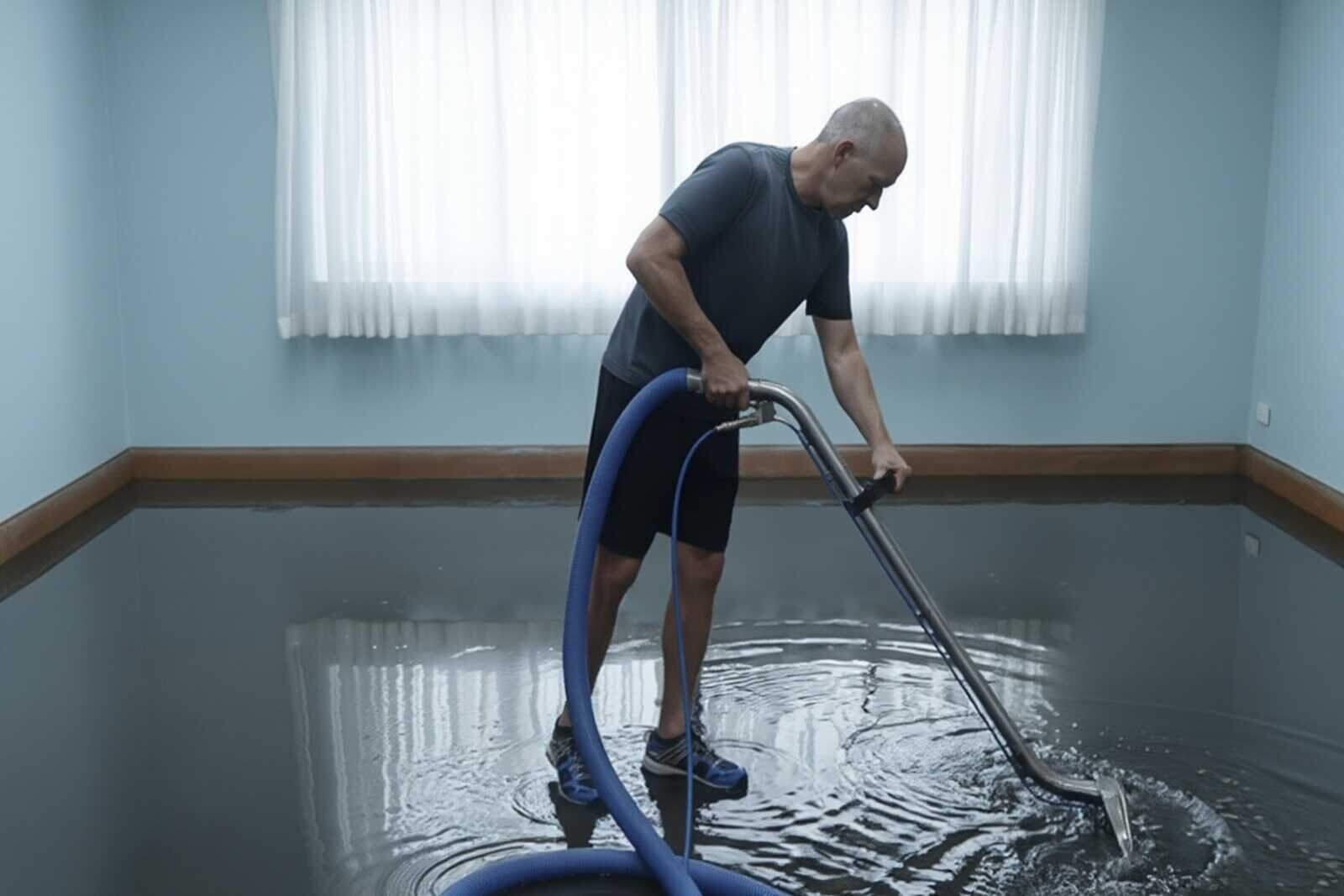
Wet carpet can usually be saved — but only if the water comes out fast and the pad and subfloor under it dry too. We dispatch across San Francisco and the Bay Area 24/7 and can usually be on-site and extracting the same visit, while the carpet is still worth saving, giving you a straight call on what stays and what goes.
When carpet can be saved — and when it can't
Clean water reached quickly is the carpet you save; contaminated water or a carpet that sat wet for days is the carpet you replace. A clean-water soak from a supply-line leak, an overflowing tub, or a failed water heater — caught within about 24 to 48 hours — usually extracts, dries, and sanitizes in place. What we won't dry back into your home is carpet from a sewage backup or other Category 3 water, or carpet that's been wet long enough to grow mold. The pad underneath is its own decision: it holds water, dries poorly, and is a cheap swap, so we replace it far more often than the carpet itself. We make that call on the first visit, material by material, instead of reflexively tearing everything out.
What our carpet water damage repair includes
One San Francisco crew treats the carpet, pad, and subfloor as one wet assembly — not a fan run over the top until it feels dry:
- A straight save-or-replace call — we read the water source and how long it sat, then tell you whether the carpet stays instead of reflexively tearing it out.
- Weighted carpet extraction — tools that press down and pull water straight out of the carpet and pad, far more than a wet-vac reaches.
- Pad & subfloor moisture mapping — meters trace the water past the visible wet edge so the hidden reservoir under the carpet gets dried, not missed.
- Sanitize, re-pad & reset — an antimicrobial on salvaged carpet, the wet-carpet odor treated, fresh pad, and the carpet re-stretched back into place.
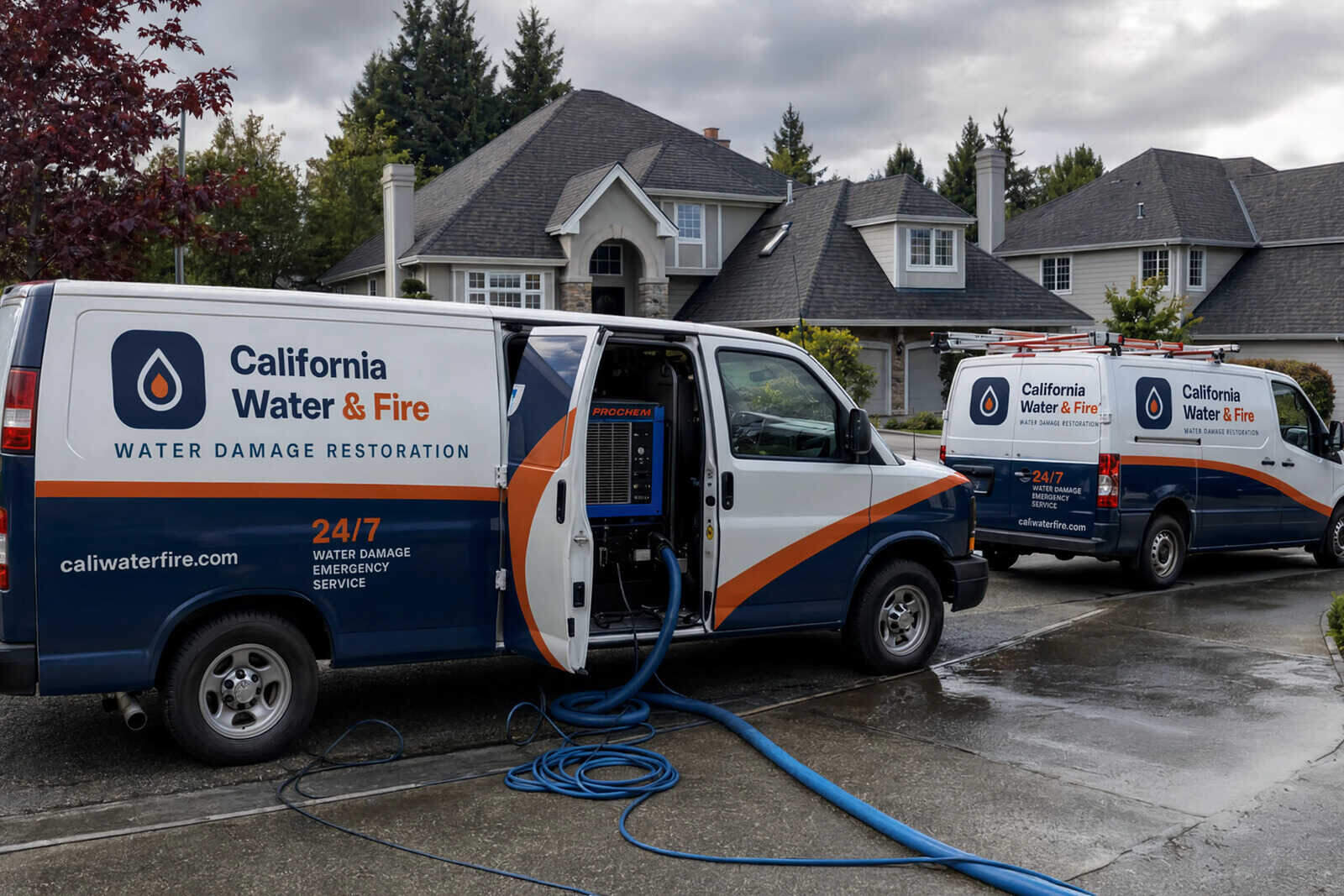
Our carpet drying & sanitizing process
- Inspect & read moisture
We map how far the water spread — past the wet edge into pad and subfloor — and identify the source and category before we touch anything.
- Extract the water
Weighted extraction pulls water straight out of the carpet and pad; this is the step that decides whether the carpet can be saved.
- Float or lift the carpet
Where the pad is salvageable we float the carpet and push warm air underneath; where it isn't, we lift it, pull the soaked pad, and dry the subfloor directly.
- Dry to a target, not a guess
Air movers and dehumidifiers run until carpet and subfloor readings match a dry baseline elsewhere in the home — proper structural drying, so it stays dry instead of mildewing a week later.
Padding, subfloor & mold concerns in San Francisco
In San Francisco, the hidden moisture under the carpet is the real risk — and the climate makes it worse. A lot of the carpet we dry sits in bedrooms and family rooms built over ground-floor garages and in-law units in the Sunset and Richmond Districts, where the slab and framing stay cool and the coastal fog keeps indoor air damp for weeks at a stretch. That combination means a pad left wet doesn't air-dry on its own — it stays a reservoir that feeds mold from underneath while the carpet surface feels perfectly dry. We meter the pad and subfloor, not just the carpet face, and we'd rather swap a low-cost pad than leave a hidden wet layer under a carpet we just saved. If the water sat long enough that mold already started, mold remediation comes first — drying alone won't make a moldy carpet safe.
Frequently asked questions
Can wet carpet be saved after a leak or backup?
Often, yes — if the water was clean and we reach it within about 24 to 48 hours. Clean-water carpet from a supply-line leak, an overflowing tub, or a failed water heater usually extracts, dries, and sanitizes in place. Carpet from a sewage backup or other contaminated water, or carpet that's been wet for days and started to grow mold, generally can't be saved and is removed. We give you that call on the first visit instead of guessing.
Does wet carpet always need to be replaced after water damage?
No. A water-damaged carpet doesn't automatically mean replacement — the carpet itself is often the most salvageable layer. The pad underneath is the part that usually gets replaced, since it holds water and dries poorly, and that's a much cheaper swap than new carpet. What we won't do is dry contaminated carpet or carpet that's already grown mold back into your home — in those cases replacement is the honest answer.
Will my insurance cover wet carpet repair?
It depends on your policy and the cause. A sudden, accidental release — a burst supply line, an overflowing appliance — is commonly covered, while long-term seepage usually isn't. We can't promise what your insurer will approve, but we document the source, the moisture readings, and what was extracted, dried, or removed so you have a clear record to file with, and we work directly with your carrier. Check your specific coverage with your insurer.
My carpet is in a room over the garage — why does that matter in San Francisco?
Rooms built over ground-floor garages and in-law units — common across the Sunset and Richmond Districts — sit on cool framing where damp coastal air lingers, so water in the pad and subfloor dries far slower than it would in a warmer, drier climate. Left to "air out," that hidden moisture becomes a mold reservoir under a carpet that feels dry on top. We meter the pad and subfloor under those rooms specifically and dry to a reading before we re-stretch anything, so the layer you can't see is genuinely dry.
Carpet still wet underfoot?
Every hour it stays saturated, water spreads into the pad and subfloor and mold gets closer. A Bay Area crew answers 24/7 and can start extracting the same visit.
Call (650) 642-7300Licensed, insured & trained to industry standards


Dry the carpet before the mold starts
Wet carpet and a soaked pad only get worse — and riskier — by the hour. Tell us what happened and a Bay Area crew will be on the way.
Call (650) 642-7300