Appliance & Water Heater Leak Cleanup in San Francisco, CA
A failed water heater, a burst washer hose, or a slow leak under the kitchen sink can put gallons across your floor before you notice. We extract the water, dry the cabinets and subfloor, and document the loss for your claim.
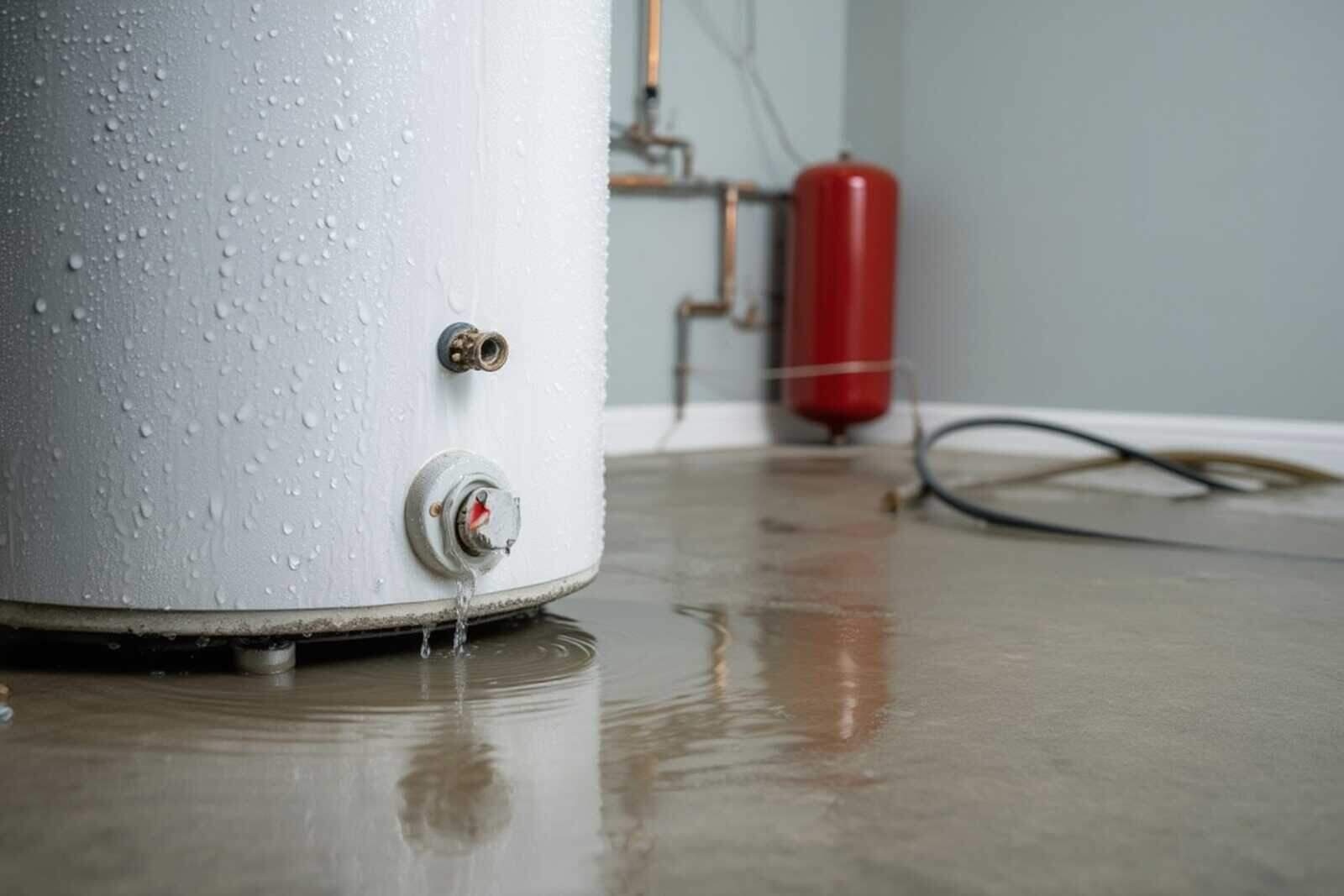
Water heater damage and appliance leaks are the most common water losses we clean up in San Francisco homes — and the most underestimated. We extract the water, dry the cabinets and subfloor to a meter reading, and document the loss for your claim, usually on-site the same visit.
Common appliance leaks we clean up in San Francisco homes
Most of these losses share a pattern: the appliance fails low, the water spreads under cabinets and into the subfloor, and it's hours before anyone notices. We see it most where appliances sit out of sight — water heaters and washers tucked into ground-floor garages and in-law units across the Sunset, the Richmond, and Bernal Heights, and dishwashers and sinks crammed into the compact kitchens of older Edwardian flats. The usual sources are a weeping shutoff valve or a cracked drain trap under the kitchen sink, a dishwasher leaking from a failed door gasket or drain hose, a washing-machine supply hose that ruptures under pressure, a refrigerator icemaker line that splits, and water heaters that fail from a corroded tank or a stuck temperature-and-pressure valve. A sudden flood and a slow soak get the same treatment from us — fast extraction, then drying confirmed by readings.
Water heater, washer & dishwasher failures
The three appliances that cause the worst floods are the three that hold or move the most water. A water heater can empty 40 to 50 gallons across a garage or utility floor when the tank corrodes through or the T&P valve sticks open — and because it sits low and often out of sight, the water is usually well into the framing before it's found. A washing-machine hose is under household pressure 24 hours a day; when a tired hose ruptures, it doesn't drip, it sprays, and an unattended load can run gallons onto the floor. A dishwasher leak is sneakier — a failed gasket or drain hose weeps under the unit and into the cabinet run and subfloor for weeks before a soft floor or a musty smell gives it away. We treat the cabinet box, toe-kick, and subfloor as part of the loss on all three, because that's where the water actually ends up.
What our appliance leak cleanup includes
One San Francisco crew handles the whole job — from the cabinet base to the subfloor, not just the puddle you can see:
- Full water extraction — portable and truck-mounted units pull the standing and absorbed water from the cabinet base, floor, and subfloor before it spreads further.
- Cabinet & cavity drying — we open toe-kicks and wall bases where water hides, then dry the cabinet box and subfloor instead of leaving it wet against the structure.
- Moisture mapping & confirmed dry — meters track the water into walls and under floors so we dry to a number, not to how the floor looks once the puddle is gone.
- Loss documented for your claim — photos and readings from the first hour, handled directly with your insurer, with the paperwork the carrier needs.
Our cleanup & drying process
- Stop the source & make it safe
We confirm the supply valve is off, check for electrical hazards near the flooded appliance, and cut power to the area before anyone steps into standing water.
- Extract the water
Portable and truck-mounted extractors pull the standing and absorbed water — from the cabinet base, floor, and subfloor outward — before it migrates to the room or level below.
- Open up & dry the hidden cavities
We pull baseboards and drill discreet vent holes where needed, then set air movers and dehumidifiers to dry the cabinet box and structure, not just the surface.
- Read, document & confirm dry
We map moisture with meters, photograph the loss for your insurer, and keep drying until the materials read genuinely dry — then leave you the readings.
Why fast, measured cleanup beats a wet-vac and a fan
- A wet-vac clears the puddle, but the water inside the cabinet box, under the dishwasher, and in the subfloor stays put — exactly where it feeds mold and rots the cabinet from the bottom up.
- Cabinet bases are usually particleboard — it drinks water, swells permanently, and often can't be saved once it's saturated, so the speed of extraction decides whether the cabinet lives.
- In San Francisco's cool, fog-damp air, wet wood inside a closed cabinet never air-dries on its own — pulling the moisture out and confirming it on a meter is what keeps a quick cleanup from becoming a full cabinet-and-floor rebuild.
Frequently asked questions
My water heater flooded my San Francisco home — what should I do first?
Shut off the water to the tank first — there's a valve on the cold-water line above the heater; turn it clockwise. Then cut power to the unit: flip the breaker for an electric heater, or set a gas heater's dial to "pilot." Keep clear of the standing water until power to the area is off, since a garage or ground-floor closet may have outlets or the heater's own electrical at floor level. Then call us — we'll be on the way and can talk you through anything else while a crew heads over. The faster the water comes out, the more of your flooring and framing we save.
How fast can you get to my home, and which appliance leaks do you handle?
We dispatch across San Francisco and the Bay Area 24/7 and can usually be on-site and extracting the same visit, traffic depending. We clean up the full range of appliance failures: water under the kitchen sink from a weeping valve or cracked drain trap, dishwasher leaks from a failed gasket or drain hose, washing-machine hose bursts, refrigerator icemaker lines, and water heater failures from a corroded tank or a failed temperature-and-pressure valve. Sudden floods and slow soaks get the same treatment — fast extraction and drying confirmed by readings.
Will my insurance cover water damage from a water heater or appliance?
A sudden, accidental appliance failure — a burst water heater, a ruptured washer hose, a failed supply line — is the kind of water loss a standard California homeowner's policy is generally written to cover. A slow leak that was left unaddressed for a long time is sometimes treated differently. We document the loss from the first hour and work directly with your insurer, but what's ultimately covered and your deductible are your carrier's call; thorough documentation gives the claim its best footing.
How do I prevent appliance leaks from causing mold in San Francisco's climate?
The key is catching the water fast and drying it completely, because the cool, fog-damp air here won't dry a hidden wet spot for you — moisture sealed inside a cabinet or subfloor lingers and feeds mold. Replace rubber washing-machine hoses with braided stainless every few years, check under the kitchen and bathroom sinks for damp or warped cabinet bottoms, and watch an aging water heater for rust at the base. If something does leak, don't just mop and assume it's fine: water under a cabinet or into a subfloor needs to be dried to a meter reading, since in this climate "feels dry" and "is dry" are rarely the same.
Appliance still leaking right now?
Shut off the supply valve if you can reach it, then call. Every minute it runs, water spreads into cabinets and subfloor — a Bay Area crew answers 24/7 and can be extracting the same visit.
Call (650) 642-7300Licensed, insured & trained to industry standards


Get the water out before the cabinets are gone
An appliance leak only gets more expensive by the hour. Tell us what failed and a Bay Area crew will be on the way to extract, dry, and document it.
Call (650) 642-7300